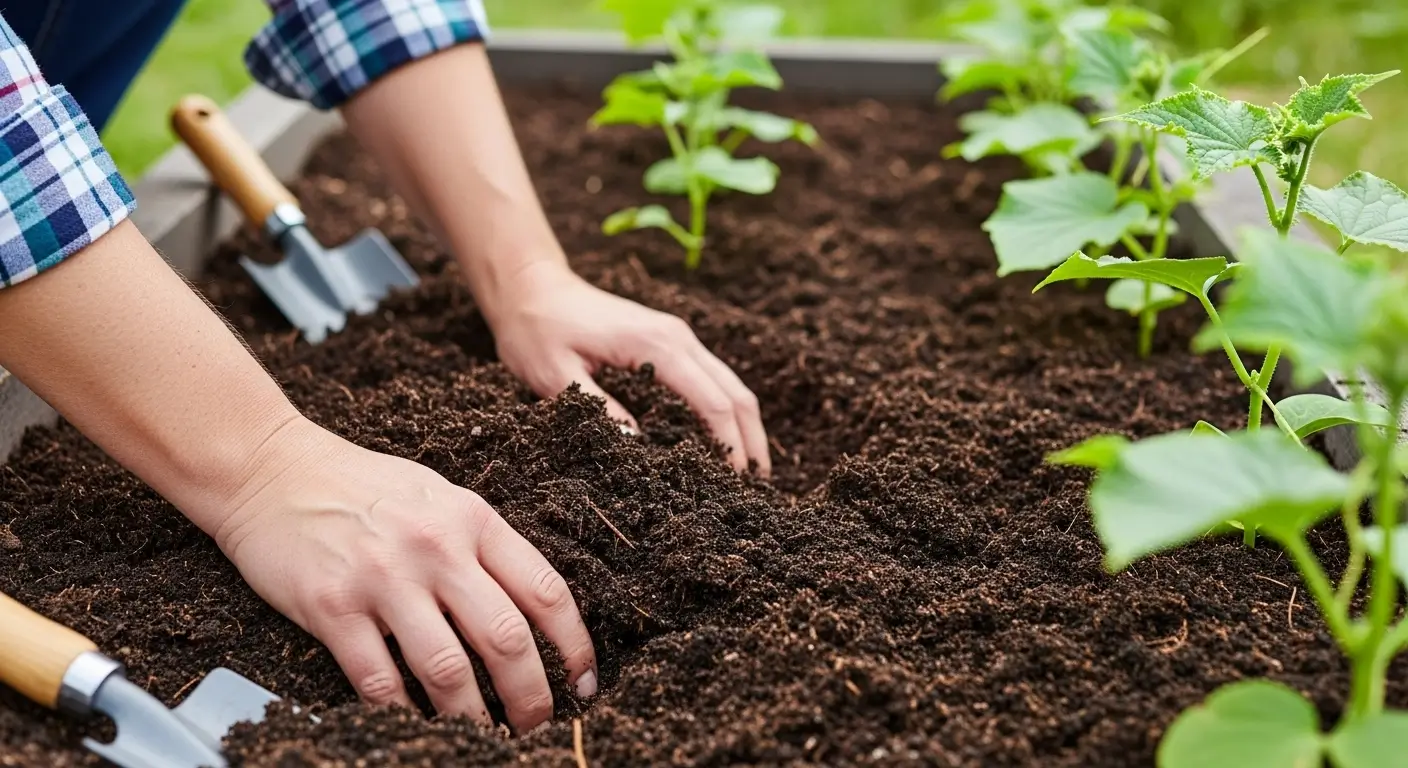
Okay, let’s talk about cucumber soil preparation – because trust me, this is where the magic happens. Do you know that perfect crunch when you bite into a fresh cucumber from the garden? Yeah, that doesn’t happen by accident. I’ve been there – standing in my garden staring at sad, wimpy cucumbers, wondering what went wrong.
Here’s the thing nobody tells you when you’re starting out: excellent cucumbers start with proper cucumber soil preparation. I mean, it makes sense when you think about it, right? You wouldn’t expect to run a marathon after eating nothing but potato chips for months. Same deal with your plants.
My first cucumber attempt was… well, let’s say it was educational. I basically threw some seeds in whatever dirt was hanging out in my backyard and called it a day. Those poor plants limped along and gave me maybe three pathetic cucumbers all summer. My grandma took one look at my “harvest” and just shook her head. “Honey,” she said, “you can’t make a silk purse out of a sow’s ear.” Translation: fix your soil first!
That was my wake-up call, and honestly? Learning about cucumber soil prep turned out to be way more fun than I expected. Plus, these plants are basically cucumber-making machines. Let me walk you through everything I’ve figured out over the years.
Table of Contents
Understanding What Cucumbers Really Want
So here’s the deal with cucumbers – they’re kind of like that high-maintenance friend we all have. You know, the one who has particular needs but is totally worth it once you figure them out?
Cucumbers are what we call “heavy feeders,” which is gardener-speak for “these babies are HUNGRY.” They’ve got pretty shallow roots, too, so they need all the good stuff right up near the surface where they can get to it. And boy, do they love to drink water – but here’s the kicker, they absolutely hate having wet feet. I know, I know, it isn’t very clear.
Think of it this way: they want to sip from a nice steady stream, not sit in a puddle. Make sense?
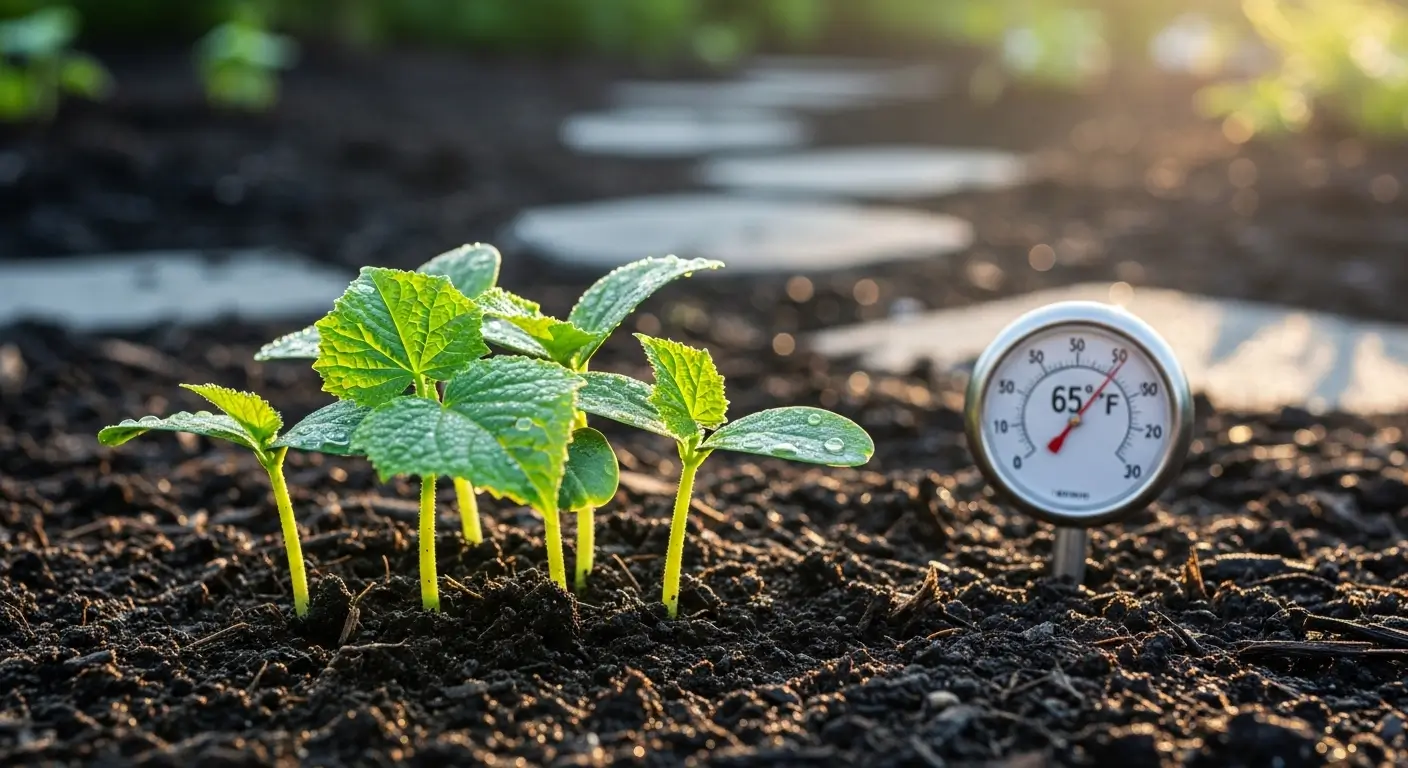
Oh, and here’s something super important – the pH thing. Don’t let your eyes glaze over! pH is just how acidic or alkaline your soil is, and cucumbers like it somewhere between 6.0 and 7.0. I learned this the hard way when my soil was sitting at 5.2 and my poor cucumbers looked perpetually grumpy. A little lime fixed that right up.
Look, I know all this pH talk might seem overwhelming, especially if you’re just starting out. That’s exactly why I created this little tool to take the guesswork out of cucumber soil preparation. Just plug in your soil test results, and it’ll tell you exactly what amendments you need and how much to use. I wish I’d had something like this when I was staring at my sad, acidic soil wondering what the heck to do!
🥒 Cucumber Soil pH Calculator
Get personalized soil amendment recommendations for perfect cucumber soil preparation
Your Cucumber Soil Preparation Recommendations:
Pretty handy, right? I’ve used these same calculations in my own garden for years, and they’ve never steered me wrong. The key is getting that pH dialed in first, because even if you add all the compost in the world, your cucumbers won’t be able to access those nutrients if the pH is off.
Testing Your Existing Soil: The Foundation of Success
I get it – soil testing sounds about as exciting as watching grass grow. But here’s the thing: it’s the difference between throwing darts in the dark and knowing what you’re doing.
I grab one of those cheap soil test kits from the garden center every spring. Takes ten minutes, costs like fifteen bucks, and saves me months of wondering why my plants look sad. Totally worth it.
When I’m testing for cucumber prep, I’m looking at three things: pH (we talked about that), what nutrients are already hanging out in there, and whether my soil drains well or turns into concrete when it rains.
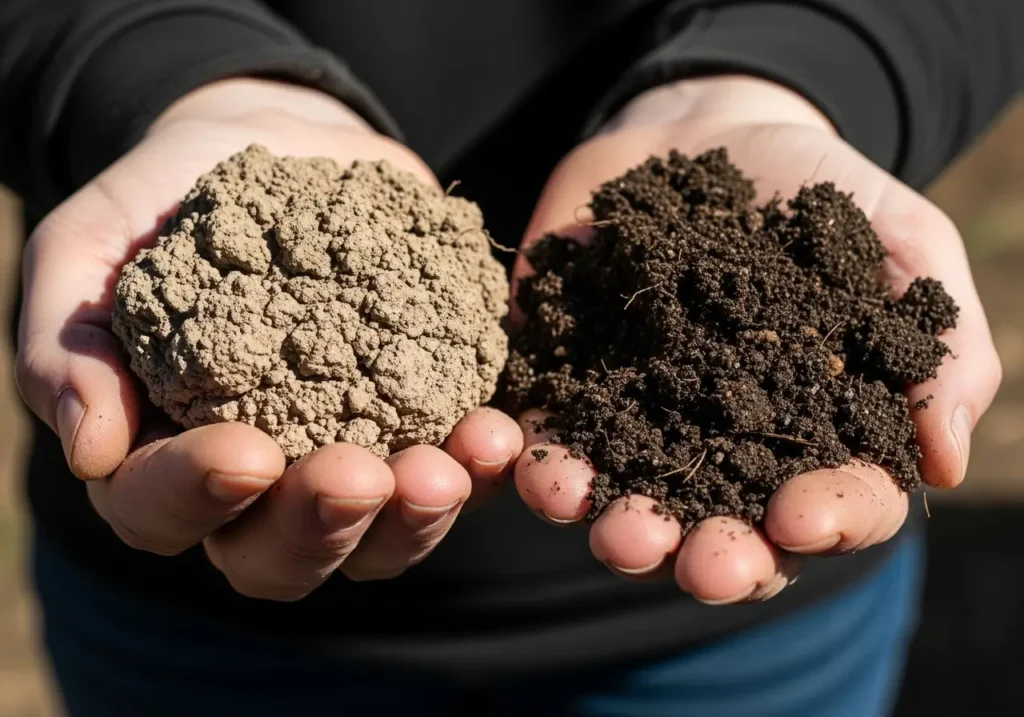
Want a super easy way to check your soil structure? Grab a handful when it’s slightly damp and squeeze it. If it sticks together like Play-Doh, you’ve got clay issues. If it falls apart like sand, you need to bulk it up. The perfect cucumber soil should hold together but crumble when you poke it.
Creating the Best Soil Mix for Cucumbers
Alright, this is where it gets fun! Over the years, I’ve perfected what I call my “cucumber cocktail” – and no, there’s no tequila involved, though sometimes I think there should be after a long day of soil prep.
Here’s my secret recipe that cucumbers absolutely go crazy for:
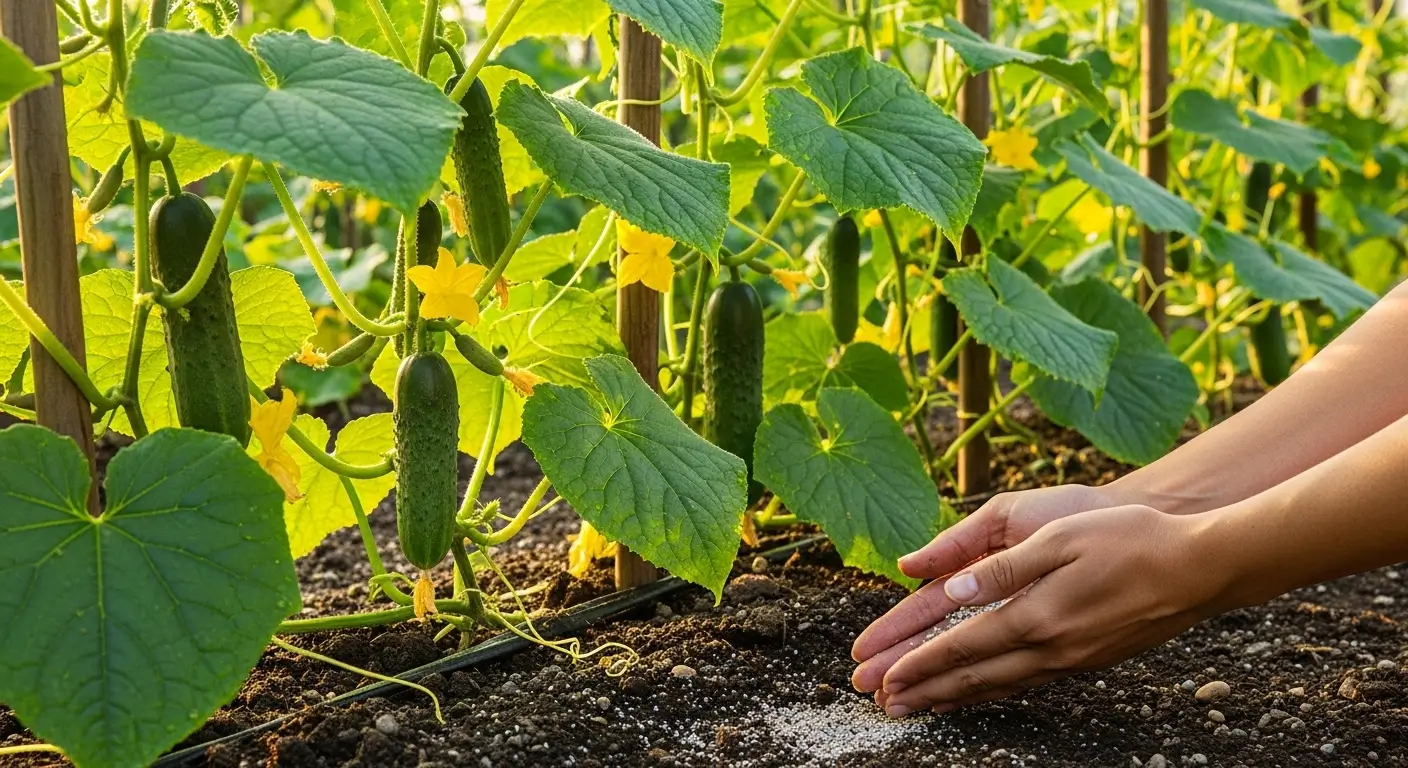
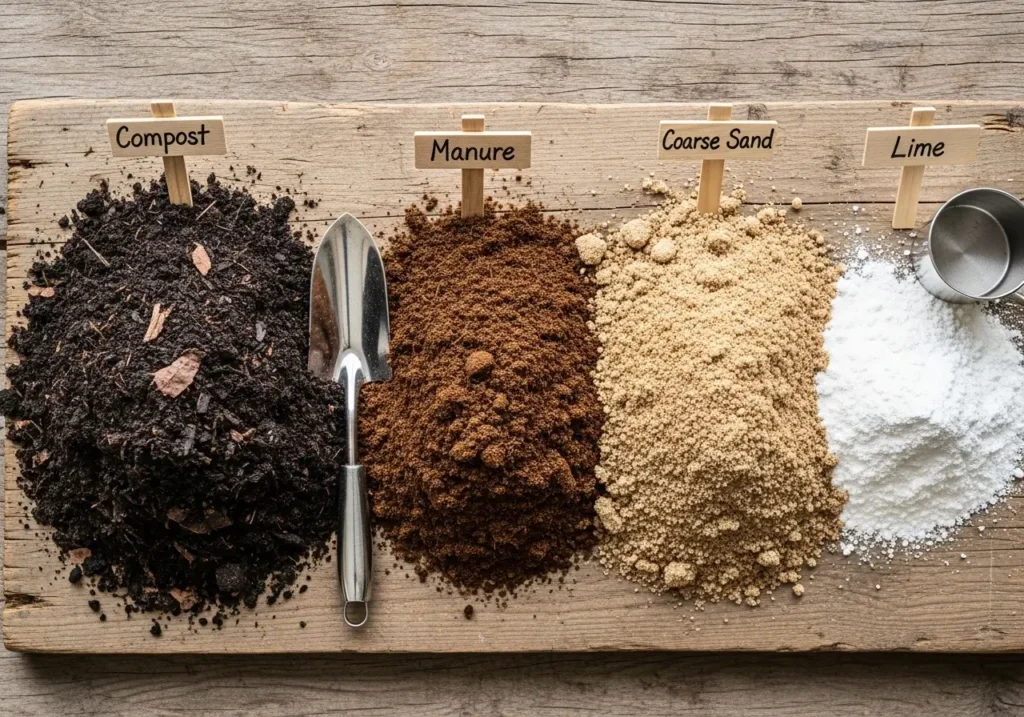
Compost (This is the star of the show). I dump about 2-3 inches of good compost on my cucumber beds every spring. Not the fresh stuff that’s still cooking – I mean the dark, crumbly, smells-like-a-forest-floor kind of compost. Don’t have your own compost pile yet? No worries, the bagged stuff from the store works great too.
Aged Manure (The power behind the throne) About an inch of well-aged cow or chicken manure gets mixed in with everything else. And I really mean AGED – like, sitting around for at least a year aged. Fresh manure will fry your plants faster than you can say “oops.” Ask me how I know… actually, don’t. It’s still too painful to talk about.
The Cornell Vegetable Program emphasizes that healthy soil structure with good water-stable aggregates is crucial for vegetable production success.
Stuff to Help with Drainage (The unsung hero) My Illinois clay soil needs help in the drainage department, so I always work in some coarse sand or perlite. If you’ve got sandy soil, you can skip this part and focus on adding more organic goodies to help hold onto water.
The Step-by-Step Cucumber Soil Preparation Process
Okay, time to get our hands dirty! Here’s precisely how I do this, step by step. I’ve made all the mistakes, so you don’t have to.
Timing Matters (Like, Really Matters) I start prepping my cucumber soil in early spring, about a month before our last frost. This gives everything time to settle in and get cozy together. In my neck of the woods, that means I’m out there in March, probably wearing three layers and questioning my life choices. But hey, that’s gardening for you!
Step 1: Clean House. First, I clear out all the old junk – weeds, dead plants from last year, and random sticks the dog dragged in. Cucumbers can be slightly dramatic about diseases, so starting clean is super important.
Step 2: Fix the pH (If It Needs Fixing). If my soil test showed I need to tweak the pH, I do that first. Too acidic? I sprinkle some lime around – about 5 pounds per 100 square feet usually does it. Too alkaline? Sulfur’s your friend. Then I worked it in really well because this stuff needed time to do its thing.
Step 3: Dig In (Literally) Time to break out the shovel! I work the soil to about 12-15 inches deep. Now, there’s this whole debate about tilling versus no-till, and honestly, both sides have good points. But for cucumbers, especially if you’re starting with crappy soil, I think that initial deep prep really helps.
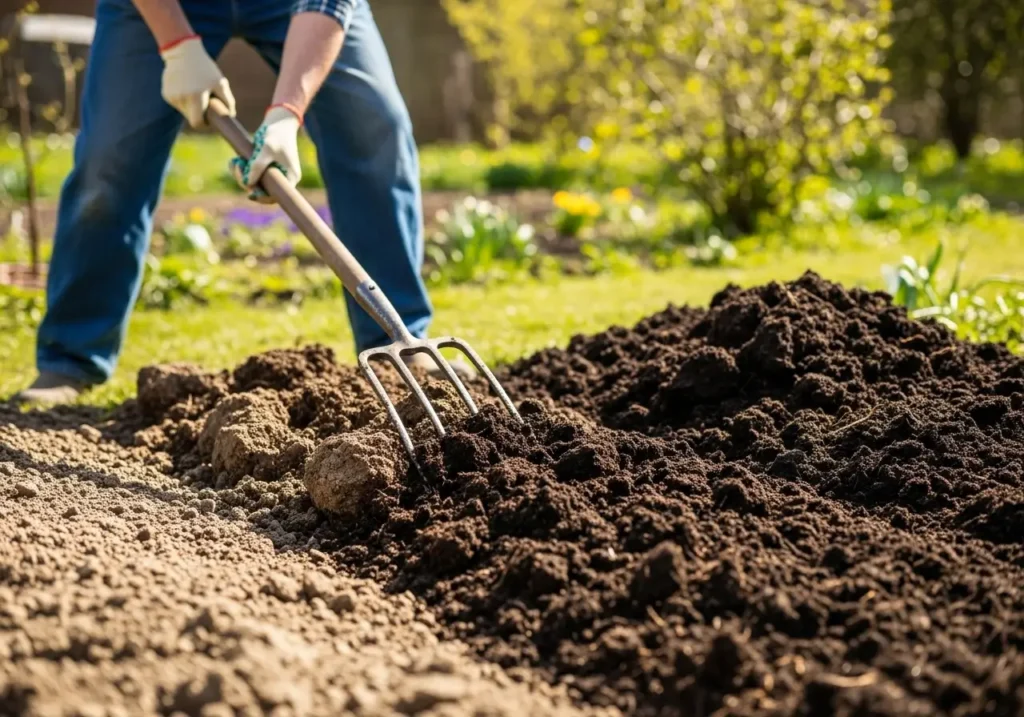
Step 4: Add All the Good Stuff. This is my favorite part! I spread all my compost, manure, and drainage helpers over the bed, then work everything into the top 8-10 inches. I’m aiming for soil that looks like a really rich chocolate cake mix – dark and crumbly- and I’m just begging for plants.
Step 5: Smooth It Out and Wait. I rake everything level and give it a gentle drink of water to help it settle. Then comes the hard part – waiting! But trust me, giving it a few weeks to meld together is totally worth it.
Special Considerations for Different Growing Situations
Not everyone has perfect garden beds to work with, and that’s fine! I’ve grown cucumbers in all sorts of weird situations.
Growing in Pots. If you’re going the container route (and there’s a whole guide about growing cucumbers in containers if you want to dive deeper), your soil prep becomes even more critical. Your plants can’t send their roots wandering off looking for better dirt, so you gotta get it right from the start. I use good potting soil mixed with compost and a bit of perlite, and make sure my containers are at least 20 gallons. Cucumbers need room to stretch out!
Raised Beds Are Amazing. Honestly, raised beds are like cheating in the best possible way. You get to start with perfect soil right from the get-go. I fill mine with a mix of topsoil, compost, and aged manure, and my cucumbers are basically in plant heaven.
Fighting Clay Soil Fellow clay soil warriors, I see you! The secret weapon here is patience and lots of organic matter. I pile on extra compost and work in some coarse sand, but here’s the most important thing – never, ever work clay when it’s wet. You’ll create these concrete-like chunks that’ll haunt you for years. Been there, done that, got the t-shirt.
Maintaining Your Cucumber Soil Throughout the Season
Here’s something I wish someone had told me earlier: prepping your soil once isn’t enough. These hungry little plants need ongoing TLC all season long.
Every month or so during growing season, I give my cucumber plants a little snack – just a thin layer of compost worked gently around them. It’s like bringing them breakfast in bed, and they love it.
I’m also a huge fan of mulch – about 3 inches of straw or shredded leaves keeps everything happy. It holds in moisture, keeps weeds away, and slowly breaks down to feed the soil. Win-win-win!
And hey, if you want the full scoop on growing excellent cucumbers from start to finish, check out our complete cucumber growing guide. It’s got everything you need to know.
Common Soil Preparation Mistakes (Learn from My Disasters!)
Oh boy, have I made some doozies over the years. Let me save you some headaches by sharing my most significant hits of soil prep fails.
Mistake #1: Working Soggy Soil Picture this: early spring, I’m so excited to get started that I ignored the fact that my soil was still basically mud soup. Worked it anyway, and ended up with these concrete-hard clumps that took literally two years to break down. Now I always do the squeeze test – if it holds together in a tight ball, I force myself to wait.
Mistake #2: Skipping the Soil Test “Eh, it’ll probably be fine,” I thought, like an idiot. Spoiler alert: it wasn’t fine. My pH was way off, and my poor cucumbers couldn’t get to any nutrients even though I’d added plenty. Don’t be like past-me – do the test!
Mistake #3: Fresh Manure Disaster This one still makes me cringe. I got this “great deal” on fresh horse manure and thought, “Hey, fertilizer is fertilizer, right?” WRONG. Burned my plants to a crisp and probably traumatized them for life. Only use the aged stuff, people!
Troubleshooting Common Cucumber Soil Issues
Even when you do everything right, sometimes stuff goes sideways. If your cucumber plants start looking sad, it might be a soil problem rather than bugs or diseases. Our cucumber plant problems guide is super helpful for figuring out what’s going wrong.
If you notice yellow leaves and stunted growth, you probably have drainage issues. You can save the season by building up mounds around your plants and adding more organic matter.
Pale leaves or crappy fruit production usually mean your plants are hungry. A good side-dressing of compost and some balanced organic fertilizer typically gets things back on track.
The Seasonal Soil Care Calendar
I’m not super organized about most things. Still, I do keep a simple calendar for soil stuff because my memory is basically a sieve:
Spring: Test soil, add all the good stuff, prep beds. Early Summer: Give plants a compost snack and pile on the mulch. Mid-Summer: Keep an eye on moisture, maybe add some compost tea. Fall: Clean up the mess, maybe plant a cover crop. Winter: Dream about next year’s garden, order more compost
Key Takeaways for Cucumber Soil Success
After all these years of trial and error (mostly error, let’s be honest), here’s what really matters:
- Just do the soil test – it’s your roadmap to success
- Drainage is everything – cucumbers want consistent moisture, not swampy feet
- You can never have too much compost – seriously, pile it on
- pH actually matters – keep it between 6.0 and 7.0
- Start your prep early – give everything time to work
- Don’t forget about your plants once they’re growing – they need ongoing snacks
Your Soil Preparation Success Story Starts Now
Look, I’ll be honest with you – soil prep isn’t the most exciting part of gardening. There’s no instant gratification like harvesting tomatoes or arranging flowers. But I promise you, the time you put in now will pay off when you’re drowning in perfect cucumbers come summer.
Every time I crunch into a fresh cucumber from my garden, I remember all that spring work when my back was aching. I wondered why I didn’t just buy vegetables at the store like a normal person. But then I tasted that perfect cucumber sweetness, and I remembered exactly why I did this crazy thing called gardening.
So grab that soil test, roll up your sleeves, and get ready to spoil your future cucumber plants rotten. Your July self – the one eating cucumber sandwiches for lunch daily–will thank you big time.
What’s your biggest soil challenge? Ever had a spectacular cucumber disaster that taught you something valuable? I love hearing other people’s gardening stories – the failures are usually way more educational than the successes! Please drop a comment and let’s commiserate about our soil struggles together.
Cucumber Soil Preparation Frequently Asked Questions
What pH level do cucumbers need for healthy growth?
Cucumbers thrive best in soil with a pH between 6.0 and 7.0, with 6.5 being the sweet spot. I learned this the hard way when my soil was too acidic at 5.2 – my poor cucumbers looked grumpy all season! If your pH is off, your plants can’t access nutrients properly, even if you’ve added tons of compost.
How much compost should I add when preparing soil for cucumbers?
I always add about 2-3 inches of well-aged compost to my cucumber beds every spring. That’s roughly one cubic yard for every 100 square feet. Don’t use fresh compost though – it needs to be the dark, crumbly stuff that smells like a forest floor. This gives cucumbers the rich, organic matter they absolutely love.
When should I start preparing soil for cucumber planting?
Start your cucumber soil prep about 4-6 weeks before your last frost date. In my Zone 5b garden, that means I’m out there in March, usually wearing three layers and questioning my life choices! But this timing gives all your amendments time to settle in and work their magic before planting season.
Can I grow cucumbers in clay soil?
Absolutely! I’ve been battling clay soil for years, and cucumbers can definitely succeed with the right prep. The key is adding lots of organic matter – extra compost, aged manure, and some coarse sand for drainage. Never work clay when it’s wet though, or you’ll create concrete-like chunks that’ll haunt you for years. Trust me on that one!